closetmaid wire shelving installation instructions pdf

Article Plan: ClosetMaid Wire Shelving Installation Instructions

This comprehensive guide details installing ClosetMaid wire shelving, covering preparation, step-by-step procedures, corner shelf specifics, and maximizing storage—all based on available resources.

ClosetMaid has been a leading innovator in closet organization solutions for over 50 years, pioneering wire shelving systems that offer a blend of affordability, flexibility, and ease of installation. Their ShelfTrack system, in particular, has become a staple for homeowners and professional organizers alike, providing a customizable approach to maximizing closet space.

This guide focuses on providing detailed instructions for installing ClosetMaid wire shelving, drawing from available resources like installation videos and manuals. Whether you’re a first-time DIYer or a seasoned pro, understanding the fundamentals of the system is crucial for a successful outcome. The popularity of ClosetMaid stems from its adaptability to various closet sizes and configurations, allowing users to tailor storage solutions to their specific needs.

We will explore the entire process, from initial closet assessment to final adjustments, ensuring a level, stable, and efficient storage space. Proper installation not only enhances functionality but also contributes to the longevity of the system.

Understanding the Benefits of Wire Shelving

Wire shelving, like ClosetMaid’s offerings, presents numerous advantages over traditional solid shelving. Primarily, its open design promotes airflow, preventing dust buildup and minimizing odors – a significant benefit for clothing storage. This characteristic also makes it ideal for damp environments where moisture control is essential.

Cost-effectiveness is another key benefit; wire shelving is generally more affordable than wood or other solid materials. Installation is notably simpler, often requiring only basic tools and minimal DIY experience, as highlighted in available installation guides. The flexibility of the ShelfTrack system allows for easy adjustments and reconfiguration as storage needs evolve.

Furthermore, wire shelving’s strength-to-weight ratio is impressive, capable of supporting substantial loads without requiring extensive support structures. This makes it a practical solution for organizing a wide range of items, from lightweight garments to heavier boxes.

Tools and Materials Required for Installation

Successful ClosetMaid wire shelving installation necessitates gathering specific tools and materials beforehand. While the shelving kits themselves contain the core components – rails, upright standards, and wire shelves – additional items are crucial. A level is paramount for ensuring shelves are straight and stable, preventing items from sliding.

A drill with appropriate drill bits is essential for securing the upright standards to the wall. Screws, often not included, must be suitable for your wall type (drywall, plaster, or wood). A measuring tape aids in accurate rail placement and shelf cutting. Wire cutters are needed for precise shelf trimming, if required.

Safety glasses protect your eyes during drilling and cutting. A pencil marks locations for rails and standards. Supplemental hardware, like shelf supports, can enhance stability, as suggested by professional installers. Finally, access to the ClosetMaid installation manual or online video resources is highly recommended.

Preparing for Installation: Closet Assessment

Before commencing ClosetMaid wire shelving installation, a thorough closet assessment is vital for optimal results. Begin by completely emptying the closet, removing all contents to provide ample working space. Inspect the closet walls to determine their composition – drywall, plaster, or wood – as this dictates the appropriate screw type for secure mounting of the upright standards.

Measure the closet’s dimensions: height, width, and depth. Note any obstructions like pipes or electrical wiring, carefully planning rail placement to avoid them. Consider your storage needs; what items will be stored on the shelves? This informs shelf height and configuration.

Assess existing wall conditions; repair any damage before installation. Determine if corner shelves (like model 51066) are needed, requiring specific bracket preparation. A well-planned assessment streamlines the installation process and maximizes storage efficiency.

Step-by-Step Installation Guide ⎼ ShelfTrack System

The ClosetMaid ShelfTrack system installation begins with marking the wall for the upright standards. Using a level, ensure vertical alignment for each standard, typically spaced according to your shelving needs. Predrill pilot holes slightly smaller than the screw size to prevent splitting, especially in drywall. Securely fasten the standards to the wall using appropriate screws – length depends on wall type.

Once the standards are in place, the system’s flexibility shines. ShelfTrack allows adjustable shelf heights without needing to relocate standards. Refer to the installation video resources for visual guidance. Ensure standards are firmly attached before proceeding. Proper installation of the standards is crucial for the entire system’s stability and load-bearing capacity.

Double-check alignment before moving to shelf installation.

Installing the ShelfTrack Rails

Begin by carefully measuring and marking the desired locations for your ShelfTrack rails on the closet walls. Utilize a level to guarantee perfectly straight lines, crucial for stable shelving. Predrilling pilot holes is highly recommended, particularly when working with drywall, to prevent cracking or damage.

Secure the rails to the wall studs whenever possible for maximum support. If studs aren’t conveniently located, use appropriate wall anchors designed for the weight capacity you intend to support. Ensure screws are flush with the rail surface to avoid snagging clothing. Consistent spacing between rails dictates shelf adjustability, so plan accordingly.

Refer to the ClosetMaid installation video for a visual demonstration of this process, ensuring correct rail placement and secure fastening.

Attaching the Upright Standards

Once the ShelfTrack rails are securely mounted, it’s time to attach the upright standards. These vertical pieces slot directly into the rails, providing the framework for shelf support. Ensure the standards are fully seated within the rail slots, creating a robust connection.

Pay close attention to the orientation of the standards; they typically have a specific top and bottom. Consistent spacing between standards is vital for accommodating various shelf widths and configurations. A professional installer suggests using a rubber mallet to gently tap the standards into place, ensuring a snug fit without damaging the rails.

Double-check that all standards are plumb (perfectly vertical) before proceeding, as this impacts overall shelf stability. Refer to the ClosetMaid documentation for specific standard placement guidelines.

Installing Wire Shelves ⏤ General Procedure

With the ShelfTrack system installed, adding the wire shelves is relatively straightforward. Begin by selecting the desired shelf height and inserting the shelf clips into the upright standards at the chosen level. Ensure all four clips are at the same height to maintain a level shelf surface.

Carefully position the wire shelf onto the clips, ensuring it sits securely and evenly. A professional installer recommends starting with the top shelf and working downwards, providing stability as you progress. Regularly check for levelness using a spirit level, making adjustments as needed by repositioning the clips.

Remember that wire shelves offer flexibility; you can easily adjust their height later if your storage needs change. Prioritize heavier items on lower shelves for increased stability.

Cutting Wire Shelves to Size

Occasionally, standard wire shelf lengths require customization to perfectly fit your closet space. Cutting wire shelving requires careful consideration to avoid damage and ensure a clean finish. Utilize wire cutters – standard metal cutters may distort the wire. Always wear safety glasses during this process.
Measure the required shelf length accurately, accounting for any obstructions or desired overhang. Mark the cutting point clearly on the shelf. When cutting, apply even pressure to prevent bending or fraying of the wires. After cutting, file down any sharp edges with a metal file to prevent injury.

Remember that once cut, the shelf cannot be restored to its original size. Double-check measurements before cutting, and consider purchasing extra shelving to allow for mistakes.

Corner Shelf Installation (Model 51066)

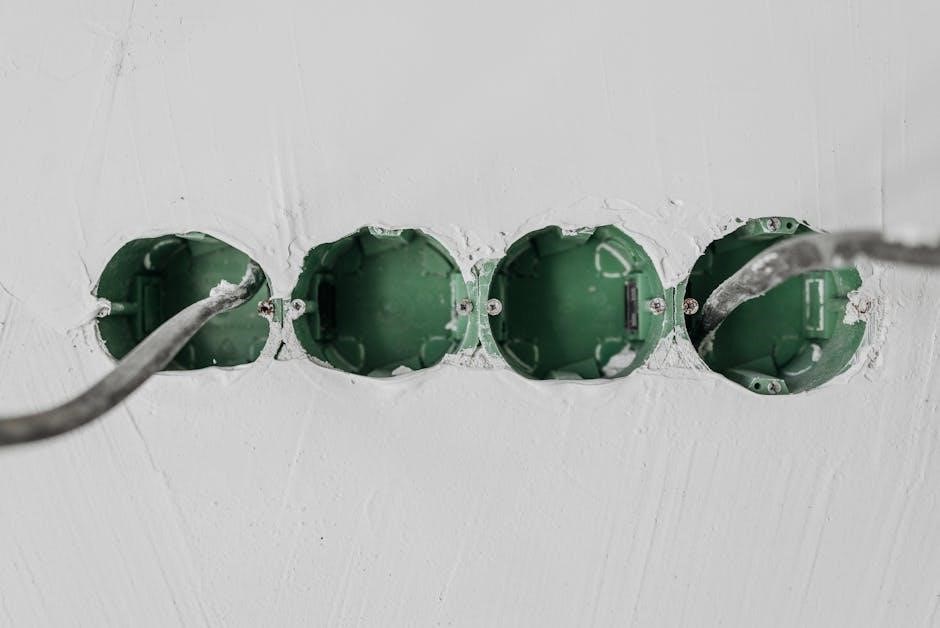
Installing the ClosetMaid 51066 Wire Shelving Corner requires specific steps to ensure a secure and functional fit. Begin by ensuring you have all necessary tools – a level, drill, and appropriate screws are essential, as these aren’t included. Preparation is key; verify the corner is square and free of obstructions.

The installation involves attaching corner shelf brackets to the walls, ensuring they are level and securely fastened. Use appropriate screws for your wall type to prevent slippage. Once the brackets are in place, carefully position the corner shelf onto the brackets, ensuring it sits flush against both walls.

Refer to the official instruction manual for detailed diagrams and torque specifications. Proper installation guarantees optimal use of corner space and prevents shelf collapse.

Preparing for Corner Shelf Installation

Before installing the ClosetMaid 51066 corner shelf, thorough preparation is crucial for a successful outcome. First, gather all necessary tools: a level, drill, and suitable screws – remember these aren’t supplied with the product. Inspect the corner where the shelf will be placed, ensuring it’s relatively square and free from any obstructions like pipes or wiring.

Carefully measure the available space to confirm the shelf will fit comfortably without interfering with doors or other closet components. It’s also wise to identify your wall type (drywall, plaster, or wood) to select the appropriate screws for secure mounting. A stud finder can be helpful for locating wall studs for added support.

Review the instruction manual to familiarize yourself with the bracket placement and screw requirements before beginning the installation process.

Attaching Corner Shelf Brackets

With the corner area prepared, begin attaching the specialized brackets designed for the ClosetMaid 51066 wire shelving corner. Position the brackets according to the instruction manual, ensuring they are level and aligned correctly. Use a pencil to mark the screw hole locations on the wall.

Pre-drilling pilot holes is recommended, especially when working with hard surfaces, to prevent splitting the wood or damaging drywall. Securely fasten the brackets to the wall using the appropriate screws, chosen based on your wall type. Double-check that each bracket is firmly attached and can support the weight of the shelf and its contents.

For enhanced stability, consider mounting the brackets directly into wall studs whenever possible. Ensure all brackets are at the same height to create a level shelving surface.

Leveling and Supporting Wire Shelves

Achieving level shelves is crucial for both aesthetics and functionality. Utilize a spirit level to verify the horizontal alignment of each installed wire shelf. Minor adjustments can be made by slightly repositioning the ShelfTrack rails or adding shims beneath the upright standards. Consistent leveling prevents items from sliding and ensures a professional finish.

For shelves spanning longer distances, consider adding supplemental support. ClosetMaid offers additional shelf supports or you can utilize readily available hardware. These supports minimize shelf sagging over time, particularly when loaded with heavier items. Proper support extends the lifespan of the shelving system and enhances its overall stability.

Regularly inspect the shelves for any signs of drooping or instability, making adjustments as needed.

Troubleshooting Common Installation Issues

Difficulty aligning ShelfTrack rails often stems from uneven wall surfaces. Use shims behind the rails to compensate, ensuring a secure and level mounting. If screws strip during installation, utilize larger diameter screws or wood glue with toothpicks to reinforce the screw holes before re-screwing.

Shelves not fitting properly can usually be resolved by double-checking measurements and ensuring the correct shelf length is being used. Remember wire shelves can be cut to size. Sagging shelves indicate insufficient support; add extra shelf supports or reposition weight distribution.

For corner shelf issues (Model 51066), verify correct bracket attachment and levelness. If problems persist, consult the official ClosetMaid installation video resources for visual guidance.

Securing Shelves for Stability

Beyond standard clip installation, enhancing shelf stability involves strategically utilizing supplemental hardware. Consider adding small L-brackets underneath shelves, particularly for heavier items, to prevent sagging and provide extra support. Ensure all screws are firmly tightened, but avoid over-tightening, which can strip the screw holes.

For increased rigidity, especially with longer spans, explore using a bead of construction adhesive along the ShelfTrack rail before clip insertion. This creates a stronger bond. Regularly inspect the installed system, re-tightening screws as needed to counteract any loosening over time.

Proper weight distribution is crucial; avoid concentrating heavy loads in one area. Utilizing the full depth of the shelf also contributes to stability.

Maximizing Storage Space with Wire Shelving

Wire shelving’s inherent design promotes visibility and airflow, optimizing space utilization. Utilize vertical space effectively by stacking items neatly and employing shelf dividers to create designated zones. Consider adding ClosetMaid’s Organise Kits, designed to integrate seamlessly with the wire system, offering solutions for shoes, sweaters, and accessories.

Maximize under-shelf space with hanging baskets or additional wire shelves. Adjustable shelving allows customization to accommodate varying item heights. Regularly declutter to prevent overcrowding and maintain accessibility. Explore utilizing the back wall of the closet with wire baskets or hooks for smaller items.

Proper organization transforms a simple wire shelving system into a highly efficient storage solution, maximizing every inch of available space.

ClosetMaid Installation Video Resources

ClosetMaid offers a wealth of video resources to guide you through every stage of installation. Their official ShelfTrack installation video provides a comprehensive, easy-to-follow demonstration of the entire process, from rail installation to shelf attachment. These videos visually explain each step, ensuring a smoother DIY experience.

Supplemental videos often focus on specific techniques, like leveling shelves or cutting wire to size, addressing common challenges installers face. Searching online platforms like YouTube for “ClosetMaid ShelfTrack installation” will yield numerous helpful tutorials from both ClosetMaid and experienced installers.

These visual aids complement the PDF instructions, offering a dynamic learning experience and boosting confidence in tackling the project.

Supplemental Hardware for Enhanced Installation

While ClosetMaid systems are designed for straightforward installation, utilizing supplemental hardware can significantly improve stability and aesthetics. Consider using wall anchors, especially when mounting into drywall, to provide a more secure hold for the ShelfTrack rails and upright standards.

Self-leveling shims are invaluable for ensuring perfectly horizontal shelves, particularly in older homes where walls may not be entirely plumb. Screw covers can conceal the mounting hardware for a cleaner, more finished look. Some installers recommend using a stud finder to locate wall studs for maximum support.

These additions, though not included in the standard kit, address potential installation challenges and elevate the overall quality of the finished closet organization system.

Organise Kits and Wardrobe Solutions

ClosetMaid’s “Organise” kits offer pre-configured solutions designed to maximize storage in closets and wardrobes. These kits, available through retailers like Organise My Home, feature innovative wire shelving systems tailored for various spaces and needs. They simplify the planning process, providing a curated selection of components for efficient organization.

Beyond standard closet applications, these systems are adaptable for creating wardrobe spaces in bedrooms lacking built-in storage. The flexibility of wire shelving allows customization to fit specific clothing types and accessories. Kits often include adjustable shelves, drawers, and hanging rods, offering a comprehensive storage solution.

Selecting the right kit streamlines installation and ensures a cohesive, organized result, transforming cluttered spaces into functional wardrobes.

Post-Installation Inspection and Adjustments

Following installation, a thorough inspection is crucial to ensure stability and functionality. Begin by verifying that all ShelfTrack rails and upright standards are securely mounted to the wall studs, preventing future shifting or collapse. Carefully examine each wire shelf, confirming it’s properly seated on the clips and brackets.

Address any leveling issues immediately; slight adjustments to the clip positions can rectify uneven shelves. Check for sharp edges or protruding hardware that could pose a safety hazard. Ensure all screws are tightened appropriately, avoiding over-tightening which could damage the wall or shelving components.

Finally, test the weight capacity of each shelf with representative items, making further adjustments as needed to optimize storage and stability.

Safety Precautions During Installation

Prioritize safety throughout the ClosetMaid wire shelving installation process. Always wear safety glasses to protect your eyes from dust and debris during drilling and cutting. Utilize a sturdy ladder and maintain three points of contact when working at height. Be mindful of electrical wiring and plumbing within the closet walls – use a stud finder to locate these before drilling.

When cutting wire shelves, wear gloves to prevent injury from sharp edges. Ensure adequate ventilation when using power tools. If you are unsure about any step, consult a professional installer or refer to the official ClosetMaid installation video resources.

Never exceed the weight capacity of the shelving system, and always secure shelves properly to prevent accidents.


sliding gate guide rollers

Sliding gate guide rollers are crucial components, enabling smooth and reliable operation by supporting the gate’s weight and facilitating movement along the track.

What are Sliding Gate Guide Rollers?

Sliding gate guide rollers, often simply called gate wheels, are fundamental hardware components designed to support the substantial weight of a sliding gate and allow for effortless, horizontal travel. These rollers interface directly with the gate’s track, reducing friction and ensuring a smooth, consistent sliding motion. They are typically constructed from steel, nylon, or polyurethane, each material offering distinct advantages regarding durability, noise reduction, and load capacity.

Essentially, these rollers transform the gate’s weight into a manageable rolling force, preventing scraping or binding against the track. Proper functioning of these rollers is paramount for the gate’s longevity and operational efficiency.

Importance of Guide Rollers in Sliding Gate Operation

Guide rollers are absolutely vital for the seamless functionality of any sliding gate system. Without properly functioning rollers, gates experience increased friction, leading to strain on the opener and potential damage to the track. They bear the entire weight of the gate, preventing it from dragging or binding during operation, thus minimizing wear and tear.

Effective rollers also contribute to quieter operation and ensure the gate opens and closes reliably, enhancing both security and convenience. Neglecting roller maintenance can result in misalignment, noise, and ultimately, gate failure.

Types of Sliding Gate Guide Rollers

Sliding gate rollers come in various materials – steel, nylon, and polyurethane – each offering unique benefits regarding durability, noise reduction, and load capacity.

Steel Sliding Gate Rollers

Steel sliding gate rollers are known for their exceptional strength and ability to handle substantial gate weight, making them ideal for heavy-duty applications and larger gates. While incredibly durable, standard all-steel rollers can sometimes be prone to increased noise during operation compared to nylon or polyurethane alternatives. It’s important to note that not all steel gate wheels are created equal; variations exist in their construction and quality. These rollers often require regular lubrication to maintain smooth performance and prevent premature wear, especially in harsh environmental conditions. They represent a robust, long-lasting solution when properly maintained.

Nylon Sliding Gate Rollers

Nylon sliding gate rollers offer a quieter operation compared to steel, making them a preferred choice for residential applications where noise reduction is a priority. They are also naturally resistant to corrosion, extending their lifespan in various weather conditions. However, nylon rollers generally have a lower weight capacity than steel, making them less suitable for extremely heavy gates. The blade guide, often made of nylon in slide-gate valves, can experience material leaks over time. Regular inspection is crucial to ensure continued smooth and reliable gate function, preventing alignment issues.

Polyurethane Sliding Gate Rollers

Polyurethane sliding gate rollers represent a balance between the durability of steel and the quiet operation of nylon. They exhibit excellent wear resistance and can handle substantial loads, making them suitable for a wider range of gate sizes and frequencies of use. Polyurethane also demonstrates good resistance to oils and solvents. Like nylon, they offer corrosion resistance, though potentially not to the same degree as nylon itself. Consistent inspection for wear and tear is vital, as roller failure can lead to gate misalignment and operational problems.

Bearing Types in Rollers (Ball Bearing vs. Roller Bearing)

Sliding gate rollers utilize two primary bearing types: ball and roller bearings. Ball bearings excel in high-speed, lighter-load applications, offering minimal friction. Conversely, roller bearings are designed for heavier loads and shock resistance, distributing weight over a larger surface area. Choosing between them depends on the gate’s weight and usage frequency. Roller bearings generally provide longer lifespan under significant stress, while ball bearings suit lighter gates needing smooth, quiet operation. Proper lubrication is crucial for both types to prevent premature wear.

Components of a Sliding Gate Roller System

A typical system includes the roller housing, bearing assembly, durable wheel/roller material, and secure mounting brackets, all working together for optimal performance.

Roller Housing

The roller housing is a critical protective element within the sliding gate system. It encases the bearing assembly, shielding it from external elements like dust, debris, and moisture, which significantly contribute to premature wear and potential failure. Typically constructed from robust materials such as steel or durable polymers, the housing ensures longevity and reliable performance.

Its design often incorporates sealed configurations to further enhance protection. A well-maintained housing contributes directly to the smooth and quiet operation of the gate, minimizing friction and maximizing the lifespan of the internal components. Proper housing integrity is paramount for consistent functionality.

Bearing Assembly

The bearing assembly is the heart of the sliding gate roller, directly impacting its performance and load-carrying capacity. It’s comprised of either ball bearings or roller bearings, each offering distinct advantages. Ball bearings excel in high-speed, lighter-load applications, while roller bearings handle heavier loads and shock impacts more effectively.

Proper lubrication is essential for minimizing friction and wear within the assembly. Sealed bearing designs offer enhanced protection against contaminants, extending service life. A robust bearing assembly ensures smooth, quiet gate operation and prevents premature roller failure, contributing to overall system reliability.

Wheel/Roller Material

The wheel or roller material significantly influences a sliding gate’s durability and performance. Steel rollers are known for their strength and ability to handle substantial weight, though they can be prone to corrosion. Nylon rollers offer a quieter operation and resistance to wear, making them suitable for lighter gates.

Polyurethane provides a balance of durability and quietness, resisting both abrasion and environmental factors. Material selection must align with gate weight, usage frequency, and environmental conditions to ensure longevity and smooth operation, preventing premature degradation and costly replacements.

Mounting Brackets

Mounting brackets are essential for securely attaching the rollers to the gate frame and supporting structure. These brackets must be robust enough to withstand the gate’s weight and dynamic forces during operation. Proper bracket design and installation are critical for maintaining gate alignment and preventing roller failure.

Adjustable brackets allow for fine-tuning the roller pressure against the track, ensuring smooth movement and minimizing wear. The material of the brackets – typically steel – should resist corrosion and provide long-lasting support, contributing to overall gate stability and safety.

Common Problems with Sliding Gate Guide Rollers

Frequent issues include roller wear, gate misalignment, operational noise, and material leaks from blade guides, all impacting smooth sliding gate function.

Roller Wear and Tear

Over time, sliding gate guide rollers inevitably experience wear and tear due to consistent use and exposure to the elements. This degradation manifests as flattened wheel surfaces, cracks in the roller material – particularly in nylon or polyurethane types – and bearing corrosion.

Heavier gates and frequent operation accelerate this process. Ignoring early signs of wear can lead to increased friction, straining the gate opener and potentially causing complete roller failure. Regular inspection is vital to identify and address wear before it escalates into more significant problems, ensuring continued smooth and safe gate operation.

Roller Failure & Gate Alignment Issues

Complete roller failure, often stemming from prolonged wear, can severely impede gate operation, causing it to bind, scrape, or even become completely stuck. This frequently links to gate alignment problems; worn or broken rollers contribute to misalignment, exacerbating the issue.

Misalignment places undue stress on the remaining rollers, accelerating their deterioration and potentially damaging the gate track. Addressing roller failure promptly, alongside a thorough gate alignment check, is crucial for preventing further damage and restoring smooth functionality.

Noise During Gate Operation

Unusual noises – screeching, grinding, or rattling – during sliding gate operation often signal problems with the guide rollers. Worn bearings within the rollers are a common culprit, creating friction and resulting in audible complaints. Lack of lubrication also contributes significantly to increased noise levels, as metal components rub directly against each other.

Misalignment or debris accumulation can further amplify these sounds. Identifying the source of the noise and addressing the underlying roller issue is vital for quiet, efficient gate operation and preventing more serious damage.

Material Leaks (Blade Guide Issues)

Blade guide issues, particularly with full-width blade slide gates, can manifest as material leaks along the blade’s path. The nylon blade guide blades, designed to maintain a tight seal, are susceptible to wear and tear over time. This wear creates gaps, allowing materials to escape during operation.

Regular inspection of these guides is crucial. Replacing worn blades promptly prevents significant material loss and maintains the gate’s intended functionality. Addressing these leaks ensures efficient containment and operational integrity.

Maintenance and Inspection of Sliding Gate Rollers

Regular checks, cleaning, and lubrication are vital for optimal performance. Inspect for damage, ensure proper alignment, and adjust roller pressure routinely.

Regular Cleaning and Lubrication

Consistent cleaning removes debris – dirt, leaves, and grime – that accumulates on and around the sliding gate guide rollers. This prevents abrasive wear and ensures smooth operation. Utilize a mild detergent and water, rinsing thoroughly.

Lubrication is equally essential, reducing friction and extending roller lifespan. Apply a suitable lubricant – lithium-based grease is often recommended – directly to the bearings. Avoid over-lubrication, as excess attracts more dirt. A regular schedule, perhaps monthly or quarterly depending on usage, will maintain peak performance and prevent costly repairs.

Visual Inspection for Damage

Regular visual checks are vital for identifying potential issues before they escalate. Carefully examine the sliding gate guide rollers for signs of wear, such as cracks, flat spots, or corrosion. Inspect the wheel material – nylon or steel – for any degradation.

Also, scrutinize the mounting brackets for bends or breaks, and ensure all bolts are securely fastened. Look for any unusual play or wobble in the rollers, indicating bearing failure. Early detection allows for timely replacement, preventing gate misalignment and operational problems.

Checking Gate Alignment

Proper gate alignment is paramount for smooth sliding action and preventing undue stress on the rollers. Visually inspect the gate’s position within the track; it should be centered and move freely without binding. Check for any tilting or sagging, which indicates misalignment or failing rollers.

Use a level to verify the track’s horizontal plane. Misalignment causes increased wear, noise, and potential failure; Correcting alignment issues promptly extends roller lifespan and ensures optimal gate functionality.

Adjusting Roller Pressure

Roller pressure adjustment is vital for optimal performance. Too little pressure causes wobbling and potential derailment, while excessive pressure increases friction and accelerates wear. Many rollers feature adjustable mounting brackets or screws allowing fine-tuning.

Ensure even pressure distribution across all rollers for balanced weight support. Regularly check and readjust as needed, especially after initial installation or component replacement. Proper adjustment minimizes noise and extends the lifespan of both rollers and the gate track.

Replacing Sliding Gate Guide Rollers

Roller replacement involves securing the gate, removing old hardware, installing new rollers and brackets, and verifying smooth operation for continued functionality.

Tools Required for Replacement

Successfully replacing sliding gate guide rollers demands a specific toolkit. Essential items include a wrench set, adjustable spanner, and socket set to loosen and tighten bolts. A level is vital for ensuring proper gate alignment post-replacement. A hammer might be needed for gently adjusting components.

Safety glasses and work gloves are non-negotiable for personal protection. A penetrating oil spray assists in freeing corroded hardware. A measuring tape confirms roller size compatibility. Finally, a jack or support stands are crucial for safely lifting and stabilizing the gate during the process, preventing accidental drops or injuries.

Step-by-Step Replacement Guide

Begin by securing the gate in the open position with supports. Loosen and remove the mounting bolts securing the old roller. Carefully detach the worn roller from the bracket. Clean the mounting surface thoroughly, removing any debris or corrosion.

Align the new roller with the bracket and reattach it using the bolts, tightening them securely. Double-check the gate’s alignment using a level, making adjustments as needed. Finally, test the gate’s smooth operation, ensuring effortless sliding along the track. Repeat for all faulty rollers.

Safety Precautions During Replacement

Always disconnect power to the gate operator before starting any repairs to prevent accidental activation. Secure the gate in the open position using sturdy supports – a collapsing gate poses a serious hazard. Wear safety glasses and gloves to protect against debris and sharp edges.

Ensure a stable work surface and use appropriate tools for the task. If unsure about any step, consult a qualified gate technician. Never work alone; have someone nearby for assistance and in case of emergencies.

Factors Affecting Roller Lifespan

Roller lifespan depends on gate weight, usage frequency, weather exposure, and material quality; heavier gates and harsh conditions accelerate wear and tear.

Gate Weight and Size

Gate weight and size are primary determinants of roller stress and, consequently, lifespan. Heavier gates exert significantly more force on the rollers, demanding robust materials and construction. Larger gates, even with moderate weight, often require more rollers distributed along the track to ensure even weight distribution and prevent localized stress.

Insufficient roller capacity for the gate’s dimensions leads to premature wear, potential failure, and operational issues like binding or misalignment. Selecting rollers with an appropriate weight capacity, exceeding the gate’s actual weight, is crucial for longevity and reliable performance. Proper calculation of load distribution is essential during installation.

Frequency of Gate Use

The frequency of gate operation directly impacts roller wear and tear. Gates experiencing high daily usage – such as those in commercial or high-traffic residential settings – will naturally degrade rollers at a faster rate than infrequently used gates. Each cycle introduces stress, friction, and potential for damage.

Increased usage necessitates more frequent inspections and maintenance, including lubrication and wear assessment. Choosing rollers constructed from durable materials, designed for high-cycle applications, is vital for minimizing downtime and replacement costs in frequently operated sliding gates.

Environmental Conditions (Weather)

Exposure to harsh weather significantly affects sliding gate roller lifespan. Temperature fluctuations cause expansion and contraction, increasing stress on roller components and bearings. Rain, snow, and ice introduce corrosion, particularly in steel rollers, leading to rust and reduced functionality.

UV radiation degrades plastic and polyurethane materials over time, making them brittle. Selecting rollers with weather-resistant coatings or materials, alongside regular cleaning and lubrication, mitigates these effects and ensures consistent performance despite challenging environmental conditions.

Quality of Roller Materials

The longevity of sliding gate rollers hinges on material quality. High-grade steel rollers offer durability but are susceptible to corrosion without protective coatings. Nylon rollers resist corrosion but may lack the strength for heavier gates. Polyurethane provides a balance, offering good wear resistance and load capacity;

Bearing quality is equally vital; robust ball or roller bearings ensure smooth operation and distribute weight effectively. Investing in rollers constructed from premium materials translates to reduced maintenance, fewer replacements, and enhanced gate system reliability.

Choosing the Right Sliding Gate Guide Rollers

Selecting appropriate rollers requires considering gate weight, material, and track compatibility, prioritizing durable materials for optimal performance and a prolonged service life.

Considering Gate Weight Capacity

Accurately assessing your sliding gate’s weight is paramount when selecting guide rollers. Rollers possess specific weight capacities, and exceeding these limits leads to premature wear, failure, and potentially dangerous operational issues. Heavier gates necessitate rollers constructed from robust materials, like steel, and potentially larger diameter wheels to distribute the load effectively.

Manufacturers typically specify weight limits per roller; therefore, calculate the total gate weight and divide it by the number of rollers used to ensure each roller isn’t overloaded. Ignoring this crucial step compromises the entire system’s integrity and safety.

Matching Roller Type to Gate Material

Selecting the appropriate roller type hinges on your gate’s construction material. Steel gates often pair well with steel rollers, offering comparable durability and load-bearing capabilities. However, for aluminum or wooden gates, nylon or polyurethane rollers are frequently preferred.

These materials provide a softer contact surface, minimizing scratching or damage to the gate’s finish. Furthermore, nylon and polyurethane rollers often operate more quietly than steel, reducing noise pollution. Consider the gate’s weight alongside the material when making your final selection for optimal performance.

Importance of Durable Materials

Durable materials are paramount for sliding gate guide rollers, as they endure significant stress and exposure to the elements. Rollers constructed from high-quality steel, nylon, or polyurethane resist wear and tear, extending their lifespan and minimizing the need for frequent replacements.

Investing in robust materials translates to long-term cost savings and enhanced gate security. Weather resistance is also crucial; materials should withstand rain, sun, and temperature fluctuations without degrading. Prioritizing durability ensures reliable gate operation for years to come.

Compatibility with Existing Track System

Ensuring compatibility between new rollers and the existing track system is vital for seamless installation and optimal performance. Different track profiles require specific roller designs – V-groove, flat, or U-shaped – to guarantee proper alignment and smooth sliding action.

Incorrectly matched rollers can cause binding, increased friction, and premature wear on both the rollers and the track. Careful measurement and consideration of the track’s specifications are essential before purchasing replacement rollers to avoid costly issues.

Advanced Roller Technologies

Innovations in sliding gate roller technology include self-lubricating, adjustable, and heavy-duty options, enhancing longevity, performance, and catering to diverse gate sizes.

Self-Lubricating Rollers

Self-lubricating rollers represent a significant advancement in sliding gate technology, designed to minimize maintenance requirements and extend operational lifespan. These rollers incorporate materials, often polymers with embedded lubricants, that release lubricant gradually during operation.

This eliminates or significantly reduces the need for manual greasing, a common maintenance task for traditional rollers. The integrated lubrication system ensures consistent performance, even in harsh environmental conditions, preventing premature wear and tear. This technology is particularly beneficial for gates in remote locations or those with limited accessibility for routine maintenance.

Adjustable Rollers

Adjustable rollers offer a versatile solution for sliding gates, accommodating variations in gate alignment and track conditions. These rollers feature mechanisms allowing for vertical height adjustment, enabling fine-tuning to ensure optimal gate travel and prevent binding or excessive wear.

This adjustability is crucial during installation and for compensating for settling or shifting of the gate or track over time. Properly adjusted rollers contribute to quieter operation and extend the lifespan of both the rollers and the gate system, providing a smoother, more reliable performance.

Heavy-Duty Rollers for Large Gates

Heavy-duty rollers are specifically engineered for substantial sliding gates, capable of withstanding significant weight and frequent use. Constructed with reinforced materials and robust bearing assemblies, these rollers minimize deflection and ensure consistent performance even under demanding conditions.

They often feature larger wheel diameters and higher load capacities compared to standard rollers, crucial for preventing premature failure and maintaining smooth operation. Investing in heavy-duty rollers extends gate lifespan and reduces maintenance needs for larger installations.

jo boaler mathematical mindsets pdf

Jo Boaler’s Mathematical Mindsets PDF

Jo Boaler’s influential work, “Mathematical Mindsets,” is widely accessible to educators and students alike. This valuable resource is available for direct download in both PDF and ePUB formats, ensuring broad reach. This digital availability facilitates easy engagement with its transformative insights into creative math and innovative teaching strategies.

Jo Boaler: Professor of Mathematics Education at Stanford University

Jo Boaler holds the esteemed position of Professor of Mathematics Education at Stanford University, a role from which she profoundly influences pedagogical practices globally. Her academic base at Stanford provides a robust platform for extensive research into innovative approaches to teaching and learning mathematics. As a distinguished faculty member, Boaler is recognized internationally for her expertise in transforming how mathematics is perceived and taught across various educational levels. Her groundbreaking work, rooted in cognitive science and learning theory, aims to dismantle traditional barriers to mathematical understanding and foster genuine engagement. From her Stanford tenure, Professor Boaler frequently shares her pioneering methodologies and findings with educators and policymakers worldwide, often receiving considerable acclaim. This outreach allows her to widely disseminate research and practical strategies for fostering a growth mindset in mathematics classrooms. Her significant contributions from Stanford have resulted in numerous publications and influential research articles, solidifying her reputation as a leading voice in mathematics education. Through this prestigious role, she actively champions a transformative vision where all students can experience genuine success and joy in mathematics, guiding a crucial shift from rote memorization towards deeper conceptual understanding for diverse learners.

Co-founder of YouCubed.org Organization

Jo Boaler is widely recognized not only for her academic role but also as a pivotal co-founder of the YouCubed.org organization. This innovative platform serves as a vital extension of her research and pedagogical philosophy, aiming to truly transform mathematics education globally. YouCubed.org provides a wealth of free resources, including tasks, videos, and articles, all designed to support teachers, students, and parents in fostering a deeper and more positive engagement with mathematics. The organization champions the growth mindset approach, a cornerstone of Boaler’s work, encouraging learners to view math as a dynamic field of “unexplored puzzles instead of fixed methods.” By offering practical tools and evidence-based strategies, YouCubed.org empowers educators to implement creative math instruction that builds student confidence and enthusiasm. It actively works to reverse common negative perceptions of mathematics, offering a refreshing perspective that emphasizes understanding, problem-solving, and collaboration over rote memorization. Through its accessible online presence, YouCubed.org has become an indispensable resource for anyone seeking to cultivate a more equitable and inspiring mathematical learning environment, embodying Boaler’s vision for banishing math anxiety and promoting genuine mathematical success for all.

Book Title: Mathematical Mindsets

The core of Jo Boaler’s transformative work in mathematics education is encapsulated in her seminal book, “Mathematical Mindsets.” This title itself speaks volumes, immediately suggesting a crucial shift in perspective towards how students approach and engage with mathematics. It moves beyond traditional methods, advocating for a profound change in the underlying beliefs and attitudes about learning math. The phrase “Mathematical Mindsets” implies that success in this subject is not predetermined by innate ability, but rather cultivated through a growth-oriented approach. Boaler’s book provides a comprehensive framework to foster these positive mindsets, encouraging students to see mathematics as a dynamic, open field of inquiry rather than a rigid set of rules. It highlights the importance of creativity, exploration, and resilience in solving “unexplored puzzles.” The title serves as a powerful reminder that developing the right mental framework is crucial for “unleashing students’ potential” and reversing prevalent “mathematics trauma.” Through “Mathematical Mindsets,” Boaler delivers a “blueprint to banishing math anxiety” and building a strong foundation for universal mathematical success, making it clear that a shift in mindset is the first step towards transforming math learning experiences for all.

Full Subtitle: Unleashing Students Potential through Creative Math, Inspiring Messages and Innovative Teaching

The full subtitle, “Unleashing Students Potential through Creative Math, Inspiring Messages and Innovative Teaching,” precisely captures Jo Boaler’s transformative vision. It emphasizes that student potential in mathematics is not fixed but can be profoundly expanded. This expansion begins “through Creative Math,” moving beyond rigid “fixed methods” to embrace mathematics as a vibrant field of “unexplored puzzles.” Creative engagement fosters logical thinking and diverse problem-solving, crucial for developing numeracy literacy skills in everyday situations.

“Inspiring Messages” are fundamental for cultivating a positive disposition. These messages instill a “growth mindset,” convincing students their mathematical abilities grow through effort and perseverance. This directly addresses “mathematics trauma” and provides a “blueprint to banishing math anxiety,” creating a more supportive and engaging learning atmosphere.

Finally, “Innovative Teaching” strategies are essential. Rooted in “brain science and learning,” these methods encourage active exploration, collaboration, and deep conceptual understanding, rather than passive information reception. By integrating creative tasks, positive reinforcement, and forward-thinking pedagogy, the book aims to fully “unleash students’ potential” and redefine their entire mathematical journey.

Publication Date: 2016

The publication date of “Mathematical Mindsets” in 2016 marked a significant moment for educational reform. By this time, growing concerns about widespread “math anxiety” and “mathematics trauma” among students were increasingly recognized within educational circles. Jo Boaler’s book emerged as a timely and comprehensive response, offering a “blueprint to banishing math anxiety” and fostering success. Its release in 2016 allowed educators globally to access a practical framework grounded in new understandings of “brain science and learning.” This timing was crucial, as it coincided with an increasing demand for innovative teaching strategies that could move beyond traditional, often rigid, approaches to mathematics. The book’s arrival provided a much-needed resource for teachers seeking to redefine math as a field of “unexplored puzzles” rather than fixed methods. In 2016, “Mathematical Mindsets” began its journey of influencing countless classrooms, empowering teachers to implement a “growth mindset” and unleash student potential through creative math. This seminal publication offered a fresh perspective, directly challenging outdated pedagogical norms and advocating for a more engaging and effective approach to mathematics education. Its 2016 debut solidified Jo Boaler’s position as a leading voice in transforming how mathematics is taught and learned.

Publisher: Jossey-Bass & Pfeiffer Imprints

The publication of “Mathematical Mindsets” by Jossey-Bass & Pfeiffer Imprints, both highly respected names in educational publishing, was instrumental in bringing Jo Boaler’s transformative work to a broad professional audience. These imprints, known for their dedication to professional development and innovative educational resources, provided the crucial platform for the book’s widespread dissemination. Their association immediately lent credibility and academic weight to the title, especially within the fields of “Mathematics — Study and teaching (Middle school)” and “Mathematics — Study and teaching (Secondary).”

Jossey-Bass, often an imprint of Wiley, is renowned for publishing authoritative works that significantly contribute to various professional domains, including education. Pfeiffer similarly specializes in resources for training and development. This strategic choice of publishers underscored the book’s ambition to offer a tangible “blueprint to banishing math anxiety” and to “reverse mathematics trauma.” Their extensive distribution networks ensured that “Mathematical Mindsets” reached teachers, school administrators, and parents eager to implement a “growth mindset” in mathematics. The publisher’s endorsement is vital for a book aiming to redefine mathematics from “fixed methods” to “unexplored puzzles.” This partnership allowed Boaler’s research-backed approaches, emphasizing “numeracy literacy skills” and founded in “brain science and learning,” to gain significant traction within the educational community. The publisher’s role was paramount in establishing “Mathematical Mindsets” as a foundational text for transforming math education.

Topics: Mathematics Study and Teaching (Middle and Secondary School)

Jo Boaler’s transformative work, “Mathematical Mindsets,” is explicitly centered on the critical domain of Mathematics Study and Teaching (Middle and Secondary School). This precise focus acknowledges the unique challenges and opportunities present during these formative educational stages, where students often solidify their perceptions of mathematics. The book provides a comprehensive framework for educators aiming to cultivate a more positive and effective learning environment for adolescents.

Boaler’s research-driven insights directly address the prevalent issues of “mathematics trauma” and “math anxiety” that frequently surface or intensify in middle and secondary school. By advocating for a powerful “growth mindset” and promoting “creative math,” the book empowers teachers to redefine the subject for these students. It shifts the paradigm from mathematics as a collection of “fixed methods” to a rich “landscape of unexplored puzzles.” This approach is designed to enhance “numeracy literacy skills,” ensuring that middle and secondary students develop the logical thinking and problem-solving abilities essential for both academic success and real-world application. The strategies within “Mathematical Mindsets” are meticulously tailored to foster deeper engagement and understanding during these pivotal years.

Core Goal: Reverse Mathematics Trauma

A pivotal and deeply impactful core goal of Jo Boaler’s “Mathematical Mindsets” is to explicitly address and reverse mathematics trauma. This objective stems from the widespread issue where many students develop debilitating fear, anxiety, or a profound sense of inadequacy when confronted with mathematics. Such negative experiences often lead to disengagement and a lifelong aversion, significantly hindering their potential and academic progress.

Boaler’s approach provides a robust framework designed to dismantle these ingrained negative perceptions. By advocating for a “growth mindset,” the book challenges the fixed belief that mathematical ability is inherent and unchangeable. Instead, it promotes the understanding that everyone can learn and excel through dedicated effort. The book aims to transform the learning environment, moving away from rote memorization and high-pressure testing, which often contribute to trauma. It seeks to replace these with creative, inspiring, and innovative teaching methods, making mathematics an engaging and accessible subject. This reversal of trauma is fundamental to “unleashing students’ potential” and fostering genuine mathematical success, ensuring students view math not as stress, but as an exciting landscape of exploration and problem-solving. This critical shift builds confidence and paves the way for numerate, confident learners.

Core Goal: Banish Math Anxiety Blueprint

A central objective of Jo Boaler’s “Mathematical Mindsets” is to provide a universal blueprint for banishing math anxiety. This comprehensive plan offers practical strategies to alleviate the widespread fear and apprehension many individuals experience when encountering mathematics. Boaler, a distinguished professor of mathematics education, understands that math anxiety is a significant barrier to learning and success, often leading to avoidance and underperformance. Her work delivers a clear path to dismantling these psychological obstacles.

Her blueprint emphasizes a profound shift from traditional, rigid approaches to a more flexible and engaging methodology. It encourages educators and learners to adopt a growth mindset, believing that mathematical ability can be developed through effort and perseverance, rather than being a fixed trait. This perspective directly counters the feelings of inadequacy that fuel anxiety. The blueprint promotes creative problem-solving, inspiring messages about learning, and innovative teaching practices that make mathematics accessible and enjoyable. By implementing this framework, Boaler aims to lay a solid foundation for mathematical success that anyone can build upon, transforming the experience of math from one of dread to one of discovery and confidence. It’s a clear path to fostering positive mathematical identities and empowering students to embrace challenges.

Key Approach: Growth Mindset

A cornerstone of Jo Boaler’s pedagogical philosophy, as articulated in “Mathematical Mindsets,” is the growth mindset. This transformative approach is fundamental to redefining how students engage with and perceive mathematics. Boaler advocates for moving away from the limiting belief that mathematical ability is innate and fixed, a common misconception that often fuels anxiety and disengagement. Instead, her growth mindset approach empowers students to view math as a dynamic and expansive field.

It shifts the perception of mathematics from a collection of “fixed methods” to “a broad landscape of unexplored puzzles.” This crucial reframe encourages curiosity, intellectual bravery, and a willingness to tackle challenges without fear of failure. Students learn that their brains can grow and develop through effort and perseverance, making mistakes valuable learning opportunities rather than indicators of inadequacy. By fostering this belief, Boaler’s work aims to unlock students’ potential, encouraging them to explore, question, and innovate within mathematics. This mindset is vital for building resilience and ensuring that all learners can achieve deep understanding and lasting success in the subject, ultimately reversing negative experiences and fostering a love for mathematical discovery.

Redefining Math: Unexplored Puzzles Not Fixed Methods

Jo Boaler’s “Mathematical Mindsets” offers a powerful redefinition of mathematics, moving it from a rigid set of “fixed methods” to “a broad landscape of unexplored puzzles.” This shift is crucial for transforming students’ learning experiences and dismantling the common perception of math as a daunting subject. Traditionally, mathematics instruction has often focused on rote memorization and the strict application of established formulas, which can inadvertently stifle creativity and limit deeper conceptual understanding. Students might feel pressured to simply follow steps without truly grasping the underlying principles.

Boaler’s vision, however, champions an approach where mathematics becomes an exciting journey of discovery and problem-solving. By presenting mathematical concepts as intriguing puzzles, she encourages students to engage with challenges proactively, explore various strategies, and develop their own solutions. This perspective empowers learners to see themselves as active mathematicians, capable of constructing knowledge, rather than just passively receiving information. This redefinition fosters a sense of wonder, encouraging risk-taking and perseverance. It cultivates an environment where critical thinking and exploration flourish, ultimately leading to a more profound and meaningful engagement with mathematics that builds lasting confidence and a genuine appreciation for its beauty and utility.

Emphasis on Numeracy Literacy Skills

Jo Boaler’s “Mathematical Mindsets” places a significant emphasis on developing strong numeracy literacy skills among students. She defines numeracy literacy as encompassing the ability to think logically, solve problems effectively, and understand data within various everyday life situations. This goes beyond mere computational proficiency, extending into the practical application and interpretation of mathematical concepts in real-world contexts. Boaler underscores these essential skills are paramount for cultivating students’ confidence in their capacity to utilize mathematics meaningfully and with purpose.

By focusing intently on numeracy, the book advocates for an educational approach that prepares students not just for standardized tests, but crucially for navigating the complexities of modern life. It ensures they can make informed decisions, critically analyze information, and communicate mathematical ideas clearly, whether in personal finance, understanding news statistics, or engaging with scientific data. This holistic view of mathematical competence demystifies the subject, making it profoundly relevant and accessible. Boaler believes that embedding these practical skills empowers learners, fostering a deeper appreciation for mathematics as a vital tool for understanding and engaging with the world around them, thereby reversing negative perceptions and building robust foundations for future success in all aspects of life.

Foundation in Brain Science and Learning

Jo Boaler’s “Mathematical Mindsets” is profoundly informed by a revolution in the science of the brain and learning. She underscores that new knowledge from brain science provides a clear path for more effective mathematics education. This scientific foundation is critical for understanding why conventional teaching methods often fall short and how innovative strategies can genuinely empower students.

The book directly applies neuroscientific insights to champion approaches that cultivate a growth mindset in mathematics. Brain research vividly illustrates that intelligence is not fixed; instead, it expands and develops through focused effort and adaptive strategies. By comprehending how the brain forms connections, learns from errors, and adapts, Boaler introduces pedagogical methods that foster exploration, resilience, and a positive engagement with mathematical concepts. This scientific underpinning is instrumental in reversing mathematics trauma and offering a universal blueprint to banish math anxiety. It redefines math as an exciting landscape of unexplored puzzles, supported by the brain’s inherent capacity for growth, moving beyond rigid, fixed methods to unlock every student’s potential.

Accessing the Book: PDF and ePUB Formats Available

For those eager to delve into the transformative insights offered by Jo Boaler’s “Mathematical Mindsets,” the book is readily available in convenient digital formats. Readers can access this seminal work in both PDF and ePUB, ensuring broad compatibility across various devices and platforms. This accessibility is crucial for educators, parents, and students worldwide who wish to implement its creative math and inspiring messages, making it easier than ever to explore innovative teaching strategies.

The availability of “Mathematical Mindsets” as a PDF free download, and also through trial ebook options, truly simplifies engagement. Whether you prefer reading on a tablet, e-reader, or computer, these versatile formats cater to diverse preferences; This widespread digital access, including options to purchase on platforms like Google Play Books, underscores the commitment to disseminating Boaler’s blueprint for banishing math anxiety and fostering success. The ease of obtaining the book in PDF and ePUB forms allows for immediate engagement with its core goals of reversing mathematics trauma and unleashing student potential through a growth mindset approach. Its digital presence ensures its profound influence on mathematics study and teaching (Middle and Secondary School) can reach a global audience, making numeracy literacy skills and brain-science-backed learning universally available.

narrative of the life frederick douglass pdf

Frederick Douglass’s 1845 narrative, available as a PDF, powerfully details his experiences as a slave and became a cornerstone of abolitionist literature.

Historical Context of the Publication (1845)

Published in 1845, Douglass’s narrative emerged during intense debates over slavery and abolitionism in the United States. The PDF version reflects a period of growing anti-slavery sentiment, fueled by abolitionist movements. It directly challenged pro-slavery arguments and contributed to the escalating tensions leading to the Civil War.

Significance as a Slave Narrative

Douglass’s narrative, widely available as a PDF, stands as a pivotal work within the slave narrative genre, offering a firsthand account of the horrors of slavery. It uniquely emphasizes intellectual development and resistance, powerfully humanizing enslaved individuals and bolstering the abolitionist cause.

Douglass’s Early Life and Enslavement

Douglass’s narrative, often found as a PDF, recounts his birth into slavery, detailing the separation from his mother and harsh realities faced.

Birth and Family Background

Douglass’s impactful narrative, widely accessible as a PDF, obscures precise birthdate details for strategic protection. He describes a childhood marked by separation from his mother, barely knowing his father.

This lack of familial connection, vividly portrayed within the PDF version, underscores the dehumanizing nature of slavery and its disruption of family bonds.

Experiences with Slaveholders and Overseers

Douglass’s narrative, readily found as a PDF, recounts harrowing encounters with cruel slaveholders like Mr. Covey, a “slave-breaker.” These experiences, detailed in the PDF, reveal the brutal psychological and physical control exerted over enslaved people.

He vividly portrays the overseers’ relentless violence, shaping his resolve for freedom.

The Brutality of Slavery: Physical and Psychological Abuse

The PDF version of Douglass’s narrative unflinchingly depicts the horrific physical abuse—whippings, beatings—inflicted upon enslaved individuals. Equally damaging, the narrative reveals the psychological torment: the denial of identity, family separation, and constant dehumanization.

These abuses fueled his fight.

The Path to Literacy and Self-Education

Douglass’s narrative, often found as a PDF, highlights his relentless pursuit of literacy despite legal prohibitions, recognizing knowledge as the key to freedom.

Learning to Read Despite Prohibition

Douglass’s narrative, widely accessible as a PDF, vividly portrays his clandestine efforts to learn reading, defying laws designed to keep enslaved people ignorant. He utilized the kindness of Mrs. Auld, initially, and later, resourceful self-teaching, understanding literacy’s power to challenge his bondage and achieve liberation.

The Power of Knowledge and its Impact

Douglass’s narrative, often found as a PDF, demonstrates how acquiring literacy fundamentally altered his perception of slavery. Knowledge ignited a desire for freedom, exposing the inherent injustice and fueling his resolve to escape. It became the key to self-emancipation and a weapon against oppression.

Douglass’s Attempts at Escape

Douglass’s narrative, accessible as a PDF, recounts his initial failed escape attempt and meticulous planning for a successful bid towards liberation and freedom.

First Escape Attempt and its Failure

Douglass’s initial PDF-documented escape plan, detailed in his narrative, involved collaboration with fellow slaves; however, the plot was betrayed before execution. This betrayal led to severe repercussions, including heightened surveillance and punishment for those involved, demonstrating slavery’s oppressive control.

Planning and Executing a Successful Escape to Freedom

Douglass’s successful PDF-described escape involved obtaining sailor’s papers and utilizing the North Star for navigation. His narrative reveals meticulous planning and courage, boarding trains and steamboats as a free man, ultimately reaching New York and then Massachusetts.

Life in Freedom and Abolitionist Work

Douglass’s narrative, often found as a PDF, details his impactful work with the abolitionist movement, becoming a renowned speaker and advocate for equality.

Joining the Abolitionist Movement

Douglass’s powerful narrative, widely accessible as a PDF, propelled him into active abolitionism; he joined forces with William Lloyd Garrison. His firsthand account of slavery’s horrors, vividly detailed within the text, became a crucial tool for galvanizing support and challenging prevailing societal norms.

Public Speaking and Advocacy

Following the publication of his impactful narrative – readily found as a PDF – Douglass became a renowned orator. He passionately advocated for abolition, utilizing his personal story to expose slavery’s brutality and champion equal rights, captivating audiences and influencing public opinion effectively.

Key Themes in the Narrative

Douglass’s narrative, often accessed as a PDF, explores slavery’s dehumanizing impact, the vital role of education, and the hypocrisy within religious slaveholders.

The Dehumanizing Effects of Slavery

Douglass’s powerful narrative, widely available as a PDF, vividly portrays how slavery strips individuals of their basic humanity, denying them dignity and self-determination. He details the brutal physical and psychological abuse inflicted upon enslaved people, reducing them to mere property and showcasing the system’s inherent cruelty.

The Importance of Education and Self-Improvement

Douglass’s narrative, often found as a readily accessible PDF, emphasizes education as a crucial pathway to freedom and empowerment. He demonstrates how acquiring literacy challenged his enslavement, fostering critical thinking and fueling his determination to achieve liberation and advocate for others.

The Hypocrisy of Slaveholding Christians

Douglass’s powerful narrative, widely available in PDF format, exposes the stark contradiction between Christian teachings and the practice of slavery. He critiques slaveholders who profess faith while simultaneously inflicting brutal inhumanity, revealing a profound moral and religious hypocrisy.

Analyzing Douglass’s Writing Style

Douglass’s narrative, often found as a PDF, employs potent rhetorical devices and emotional appeals to persuasively convey the horrors of slavery.

Use of Rhetorical Devices

Douglass masterfully utilizes rhetorical questions, vivid imagery, and powerful metaphors within his narrative – frequently accessed as a PDF – to challenge pro-slavery arguments. He employs antithesis and parallelism, enhancing the emotional impact and logical force of his arguments against the institution, compelling readers to confront its inherent injustices.

Emotional Appeal and Persuasion

Douglass’s narrative, widely available as a PDF, profoundly impacts readers through harrowing depictions of slavery’s brutality. He skillfully blends pathos – evoking empathy – with logos, presenting logical arguments against the system. This potent combination powerfully persuades audiences to recognize slavery’s inhumanity and advocate for abolition.

Autobiographical Form and its Impact

Presenting his life story as a readily accessible PDF, Douglass’s narrative gains immense credibility. The autobiographical format directly challenges racist stereotypes, asserting his humanity and intellectual capacity. This personal account powerfully demonstrates the damaging effects of slavery, resonating deeply with a broad readership and fueling abolitionist sentiment.

The Narrative’s Reception and Impact

Douglass’s PDF-accessible narrative sparked immediate debate, bolstering the abolitionist cause and influencing public opinion against slavery’s injustices.

Initial Reactions to the Book

Douglass’s 1845 narrative, widely circulated as a PDF, elicited varied responses; some praised its powerful prose and authenticity, while others questioned its authorship due to societal biases.

Skeptics, accustomed to stereotypical portrayals, found it difficult to believe a formerly enslaved person could produce such a sophisticated work, fueling further debate.

Influence on the Abolitionist Cause

Douglass’s impactful narrative, readily accessible as a PDF, significantly bolstered the abolitionist movement by humanizing enslaved people and exposing slavery’s brutal realities.

It became a crucial tool for recruitment, fundraising, and shifting public opinion against the institution, solidifying his role as a leading voice.

Legacy and Continued Relevance Today

Douglass’s narrative, still widely available as a PDF, remains profoundly relevant, offering critical insights into racial injustice and the enduring fight for equality.

His story continues to inspire activism and serves as a potent reminder of the importance of education, self-determination, and social justice.

Reliable Sources for PDF Downloads

Numerous online archives offer the Narrative of the Life of Frederick Douglass as a free PDF. Project Gutenberg and Internet Archive are trusted sources.

University libraries often provide digitized versions, ensuring access to accurate and scholarly editions of this vital historical document.

Different Editions and Formats Available

Beyond the standard PDF, Douglass’s Narrative exists in various editions, including early 1845 publications and modern scholarly versions.

Formats range from single-page JP2 TAR downloads to ePub and Kindle options, catering to diverse reading preferences and accessibility needs.

Copyright and Legal Considerations

As a work published before 1929, Frederick Douglass’s Narrative is generally in the public domain in the United States, allowing free PDF distribution.

However, specific editions with new introductions or annotations may retain copyright; always verify the legal status before redistribution or commercial use.

Critical Interpretations and Scholarly Analysis

Scholars analyze the Narrative through feminist and postcolonial lenses, examining power dynamics and Douglass’s literary techniques within the PDF text.

Feminist Perspectives on the Narrative

Feminist readings of Douglass’s Narrative, often accessed as a PDF, explore the intersection of race and gender within slavery’s brutality. They analyze the limited portrayal of enslaved women and the systemic sexual exploitation they endured, highlighting silences and power imbalances within the text’s representation of suffering.

Postcolonial Readings of Douglass’s Work

Postcolonial analyses of Douglass’s Narrative, frequently found as a PDF, examine slavery as a colonial system of control and dehumanization. These readings focus on the denial of language, culture, and self-determination imposed upon enslaved Africans, mirroring broader colonial power dynamics and resistance strategies.

The Narrative within the Genre of American Literature

Douglass’s Narrative, widely available as a PDF, fundamentally reshaped American literary traditions. It established the slave narrative as a vital genre, challenging prevailing romantic and transcendentalist themes with stark realism and a powerful first-person account of oppression and the fight for freedom.

Teaching and Studying the Narrative

PDF versions of Douglass’s Narrative facilitate accessible classroom study, prompting discussions on slavery’s impact and the power of literacy and resistance.

Common Themes for Classroom Discussion

Utilizing the readily available PDF of Douglass’s Narrative, discussions can center on the dehumanizing aspects of slavery, the crucial role of education in achieving freedom, and the stark hypocrisy exhibited by slaveholding Christians.

Resources for Educators

Numerous online platforms offer the complete PDF text of Douglass’s Narrative, alongside lesson plans and historical context materials. Scholarly articles analyzing the work are also accessible, enriching classroom discussions and student understanding.

Connecting the Narrative to Contemporary Issues

Douglass’s Narrative, readily available as a PDF, resonates with modern struggles for racial justice and equality. Examining themes of systemic oppression and the pursuit of education fosters critical thinking about present-day social challenges.

Related Slave Narratives and Abolitionist Literature

Douglass’s Narrative, often found as a PDF, influenced and parallels other vital slave accounts, enriching understanding of the abolitionist movement.

Comparison with Other Slave Narratives

Douglass’s powerfully written narrative, widely accessible as a PDF, distinguishes itself through its focus on literacy and intellectual awakening. Compared to works like Harriet Jacobs’ Incidents, it uniquely emphasizes self-education as a path to freedom, while both expose slavery’s brutal realities.

Influence of Abolitionist Writings on Douglass

Douglass’s impactful narrative, often found as a readily available PDF, was shaped by the abolitionist movement’s rhetoric. Publications by William Lloyd Garrison, a key figure, influenced Douglass’s writing style and commitment to immediate emancipation, fueling his powerful autobiographical account.

Expanding Knowledge of the Abolitionist Movement

Studying Douglass’s narrative, accessible in PDF format, provides crucial insight into the diverse strategies of the abolitionist movement. It complements understanding of figures like Garrison and reveals the movement’s internal debates regarding tactics and the path towards ending slavery.

Douglass’s narrative, widely available as a PDF, remains a potent testament to resilience and the fight for social justice, inspiring generations.

The Narrative’s Lasting Impact on Social Justice

Douglass’s impactful narrative, easily accessed as a PDF, fundamentally shifted perceptions of slavery, fueling the abolitionist movement and inspiring ongoing struggles for equality. Its powerful prose continues to resonate, prompting critical conversations about race, freedom, and human rights, solidifying its place in social justice history.

Douglass as a Symbol of Resistance and Hope

Frederick Douglass, through his compelling narrative – widely available in PDF format – embodies unwavering resistance against oppression. His journey from enslavement to freedom serves as a beacon of hope, inspiring generations to fight for justice and self-determination, proving the power of the human spirit.

Continued Relevance in the 21st Century

Douglass’s narrative, accessible as a PDF, remains profoundly relevant today, addressing systemic racism and inequality. His exploration of power, identity, and the pursuit of freedom continues to resonate, prompting critical conversations about social justice and human rights in our modern world.